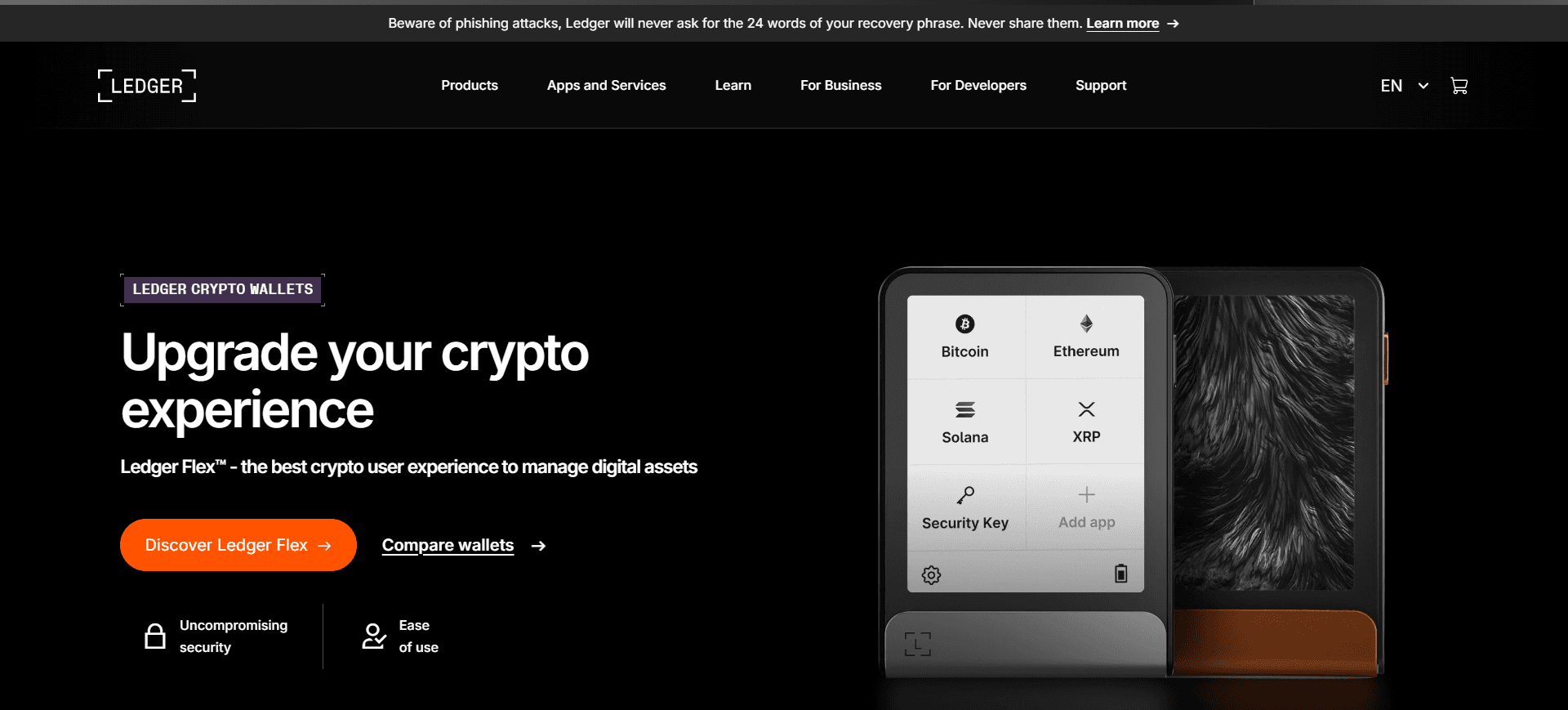
Ledger Live is the official companion application designed for managing Ledger hardware wallets and interacting with cryptocurrency networks in a secure, organized, and user-friendly way. For anyone who owns a Ledger device such as the Ledger Nano S Plus or Ledger Nano X, Ledger Live serves as the control center where users check balances, send and receive crypto, install apps on the device, update firmware, track portfolios, and explore additional features. This extensive educational guide provides a detailed overview of Ledger Live, how it works, why it matters, key security principles, step-by-step usage instructions, common mistakes to avoid, and important concepts every user should understand.
The Purpose of Ledger Live
Ledger Live was created to provide a unified interface that connects your hardware wallet to various blockchain networks. While your Ledger device securely stores your private keys offline in its secure element chip, Ledger Live allows you to perform tasks that require communication with the blockchain without ever exposing those private keys. In other words, Ledger Live does the networking and visual management while the hardware wallet does the signing and security. This separation gives users strong protection against online threats such as malware, phishing attempts, and unauthorized access.
Ledger Live brings together several components of crypto management that would otherwise be scattered across different tools. Instead of logging into multiple blockchain explorers, exchange applications, or portfolio trackers, Ledger Live centralizes everything into one application. The goal is to reduce complexity and create a safer environment for both beginners and experienced users.
Downloading and Installing Ledger Live
The Ledger Live application is available for Windows, macOS, Linux, Android, and iOS. Users should always download the application from the official Ledger website or the official mobile app stores to avoid fake or tampered versions. Once installed, the application verifies itself and ensures that your device interacts only with authentic software. Users are guided through connecting their Ledger device, unlocking it with the PIN, and beginning initial setup if the wallet is new.
Upon launching Ledger Live for the first time, the user is presented with a setup flow. This flow asks whether you are setting up a new device, restoring an existing wallet, or simply accessing Ledger Live to manage an already-configured device. These steps ensure that users start on the right track.
How Ledger Live Works with a Hardware Wallet
Understanding the relationship between Ledger Live and your hardware wallet is essential. Ledger Live works as the visual dashboard. It shows your balances, gives access to apps, and connects to blockchains. But Ledger Live does not store your private keys. The private keys are locked within the secure element inside the hardware wallet. When Ledger Live needs to execute a transaction or generate addresses, it asks the device to sign or verify information. This ensures that every sensitive operation occurs within the hardware wallet itself.
Even if your computer is compromised, the attacker cannot access your keys unless they physically possess your device and know your PIN. Ledger Live simply passes information back and forth without ever having access to sensitive data. This design is the foundation for Ledger’s security model.
Setting Up Your Device with Ledger Live
When a user connects their Ledger device to Ledger Live for the first time, several steps occur:
Device Verification
Ledger Live checks that the device is genuine using Ledger’s attestation system. This ensures that the hardware is authentic and has not been tampered with.PIN Setup
If the device is new, the user creates a PIN. This protects physical access.Recovery Phrase Backup
The device generates a 24-word recovery phrase. Ledger Live instructs users to write it down, but the phrase itself appears only on the device screen, not on the computer. This prevents digital exposure.App Installation
Ledger Live helps users install apps on the device for different cryptocurrencies. Each app corresponds to a specific blockchain network.Adding Accounts
After apps are installed, Ledger Live allows users to create accounts for assets such as Bitcoin, Ethereum, and other supported coins.
Once the initial setup is done, users can begin managing their portfolios through the application.
The Dashboard and User Interface
Ledger Live’s interface consists of several main sections. The dashboard is the central hub where users can see a quick overview of their total portfolio value, recent activities, and connected accounts. The interface is clean and structured to make navigation simple even for new users.
Users can see each account’s balance, historical charts, and incoming or outgoing transactions. Ledger Live also displays alerts when updates are available, when actions are needed on the device, or when certain blockchain activities require confirmation.
Adding and Managing Accounts in Ledger Live
Accounts in Ledger Live are representations of blockchain addresses associated with your Ledger device. These accounts allow users to view balances, monitor transaction history, and interact with networks. When users add a new account, Ledger Live communicates with the blockchain to synchronize transaction histories. The private keys never leave the device, so adding accounts is safe.
Each account is tied to a specific cryptocurrency and wallet app installed on the device. Users can add multiple accounts for the same asset if they want separate holdings for organizational or privacy purposes.
Sending and Receiving Crypto with Ledger Live
One of the most important features of Ledger Live is the ability to send and receive cryptocurrencies. For sending, the process is straightforward:
Users choose an account and click “Send.”
They enter the recipient’s address and the amount.
Ledger Live prepares the transaction and sends it to the device.
The user must physically confirm the transaction on the device screen.
Only after device confirmation does Ledger Live broadcast the transaction.
This extra confirmation step protects against malicious software that might try to alter transaction details.
Receiving crypto is simple as well. Ledger Live generates receiving addresses using public keys from the device. Users should always verify the address on the hardware wallet screen to ensure it matches the address shown on the computer.
Portfolio Tracking
Ledger Live includes an integrated portfolio tracker. This allows users to see their total net worth across all accounts and assets, updated in real time. The tracker also displays historical values, daily changes, and performance analytics. Because Ledger Live automatically updates account balances by communicating with blockchain networks, the portfolio tracker remains accurate without manual input.
Firmware and App Updates
Keeping a Ledger device updated is crucial for security and compatibility. Ledger Live alerts users when firmware updates are available. Firmware updates typically include bug fixes, enhancements, and sometimes support for new features. The update process involves downloading the firmware through Ledger Live and confirming the update on the device. This ensures that unauthorized installs cannot occur.
In addition to firmware, individual crypto apps installed on the device may require updates. Ledger Live manages these updates as well. Users can easily see which apps need updating through the Manager section of the application.
Buying, Swapping, and Staking Through Ledger Live
Ledger Live offers additional features through integrations with external service providers. These include:
Buying crypto
Swapping one asset for another
Selling certain cryptocurrencies
Staking supported tokens
Connecting to Web3 services via Ledger Live and Ledger’s browser extension
These services are optional and are provided by partners, not by Ledger itself. The purpose of including them in Ledger Live is convenience and the ability to use these services while keeping private keys protected.
Security Principles Emphasized in Ledger Live
Ledger Live reinforces several key security principles:
Never enter your recovery phrase into a computer, phone, or website.
Always verify addresses on the device screen before sending.
Use only the official Ledger Live software.
Keep your PIN secure and do not share it.
Do not store recovery phrases digitally or online.
Be aware of phishing attempts or fake websites claiming to be Ledger services.
Avoid connecting your device to unknown or shared computers.
These principles are essential to maintaining long-term crypto security.
Common Mistakes Ledger Live Helps Prevent
New users often make errors when dealing with cryptocurrency, but Ledger Live reduces risks by guiding them through safe processes. Some common mistakes include:
Attempting to manually type in recovery phrases into apps
Storing phrases in cloud storage or taking photos
Misunderstanding the difference between PIN codes and recovery phrases
Using unofficial software or fake Ledger websites
Sending crypto to the wrong address without verifying on the device
Neglecting firmware updates
Losing track of accounts or creating too many without proper organization
Ledger Live’s structure and reminders help greatly in preventing these issues.
Ledger Live Mobile App
The mobile version of Ledger Live works similarly to the desktop version but with a layout optimized for smartphones. It allows users to check balances, track portfolios, send and receive assets, and interact with their Ledger device through Bluetooth (when using a compatible device). The mobile version is especially useful for users who want to manage their assets on the go, though the same security rules apply.
Using Ledger Live with Web3
Ledger Live also supports Web3 access through integrations with Ledger’s browser extension and certain services inside the application. This allows users to interact with decentralized applications, NFTs, DeFi services, and other blockchain-based platforms while still maintaining hardware-level security for signing operations.
Understanding the Limits of Ledger Live
Ledger Live is a powerful tool, but users should understand its limitations. For example:
It does not eliminate the need for strong personal security practices.
It supports many, but not all, cryptocurrencies.
It cannot restore funds without the recovery phrase.
It cannot protect users from scams if users willingly approve malicious transactions.
It does not provide private key access for developers or advanced workflows.
Users must remain aware of these limitations while using the application.
Conclusion
Ledger Live is an essential tool for anyone using a Ledger hardware wallet. It provides an intuitive interface for managing crypto, monitoring portfolios, installing apps, signing transactions, and interacting with blockchain networks. By separating security from network operations, Ledger Live helps create a safe environment where users can manage their assets confidently.