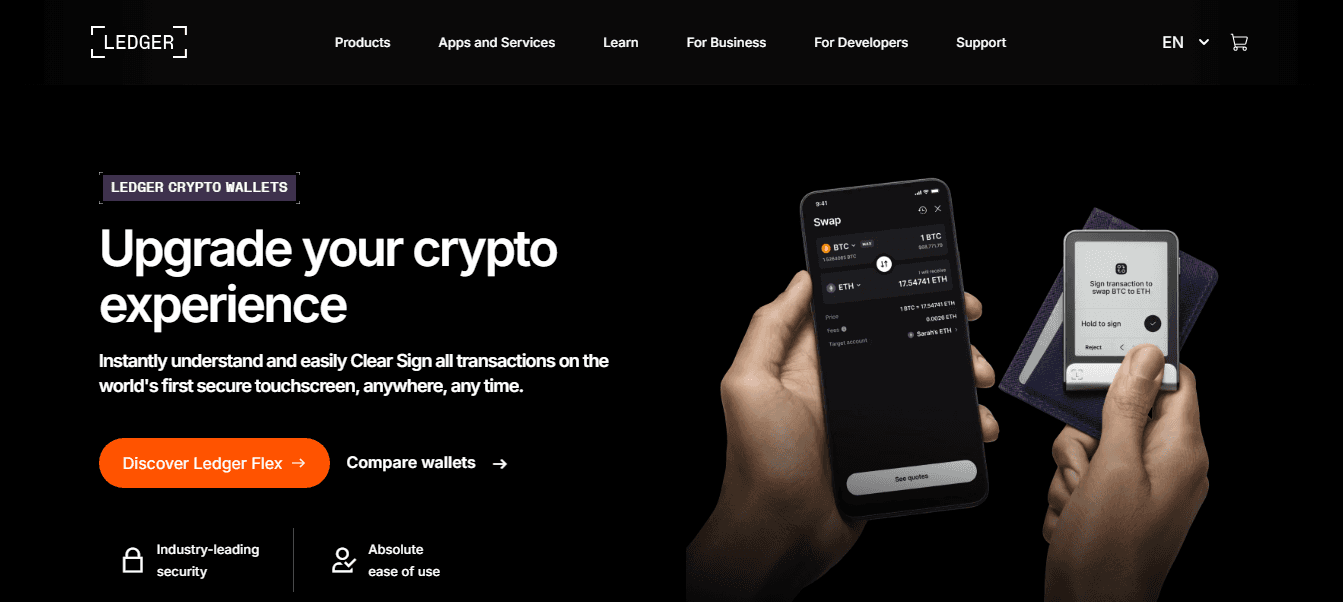
Ledger Live is the official software companion for Ledger hardware wallets, designed to give users a secure, intuitive, and streamlined way to manage cryptocurrency assets. Whether someone is using a Ledger Nano S Plus, Ledger Nano X, or any other supported hardware device, Ledger Live serves as the command center that allows users to view balances, install apps, send transactions, receive digital assets, stake tokens, and interact with various blockchain services. This long-form guide provides a comprehensive explanation of Ledger Live, how it works, why it is essential for hardware wallet users, and what to expect when using it for the first time. The purpose of this content is solely informational and educational, explaining the platform’s features, structure, safety principles, benefits, and typical user workflows.
Understanding the Purpose of Ledger Live
Ledger hardware wallets store private keys securely inside a protected chip, but the device alone cannot interact with blockchain networks. A user needs software that can communicate with the hardware wallet while keeping private keys offline. Ledger Live fills this role by providing a user interface that displays balances, manages accounts, installs apps, and prepares transactions. The hardware wallet signs transactions offline, and Ledger Live broadcasts them to the network without exposing private keys. This makes the combination of Ledger hardware plus Ledger Live a strong model for secure crypto management.
Ledger Live was created to help users enjoy a more convenient and organized approach to digital asset management. Without a unified application, people would need separate tools for each blockchain, separate explorers to check balances, and external services for actions such as staking or swapping. Ledger Live brings all these functionalities into one environment, helping ensure that users do not need to rely on multiple external platforms.
Installation and Onboarding
Users typically begin their Ledger journey by downloading Ledger Live from the official Ledger website. The installation process is simple and available for various operating systems, including Windows, macOS, Linux, iOS, and Android. After installation, the application guides users through the initial setup process, whether they are creating a new wallet on a Ledger device or restoring an existing one. While the hardware wallet handles the secure creation of private keys and the recovery phrase, Ledger Live guides users through account creation, firmware updates, app installation, and general navigation.
The onboarding experience emphasizes safety practices, such as verifying the authenticity of the device, never sharing a recovery phrase, and understanding the difference between a PIN code and a seed phrase. These reminders are crucial for new users because a misunderstanding can lead to severe security risks.
The Dashboard and Interface
Once installed, Ledger Live displays a clean dashboard that gives users an overview of their portfolio. This dashboard typically includes total balance, recent transactions, market information, and portfolio performance over time. Although Ledger Live can show approximate values, it does not control or hold the assets. Instead, it retrieves information from blockchain networks and displays it in a user-friendly format.
The interface is divided into key sections: Accounts, Send, Receive, Buy/Sell, Swap, Earn (for staking), Discover (for third-party apps), and Manager (for installing apps on the hardware device). Each section is designed to simplify the workflow and reduce the technical complexity traditionally associated with managing multiple cryptocurrencies.
Account Management
One of the core features of Ledger Live is account management. Users can add accounts for Bitcoin, Ethereum, and numerous other supported cryptocurrencies. When a user adds an account, Ledger Live queries the hardware wallet for a public key (extended public key in many cases), which allows the application to monitor balances and generate receiving addresses. The private keys stay inside the Ledger device at all times.
Ledger Live supports a variety of blockchains, though each requires a dedicated app installed on the hardware wallet. For example, to manage Bitcoin, the Bitcoin app must be installed on the device. Ledger Live simplifies this by guiding users through installing or updating the correct apps.
Sending and Receiving Assets
Sending and receiving cryptocurrencies are among the most critical user actions. Ledger Live facilitates both operations while ensuring that all sensitive actions require hardware wallet confirmation.
To receive funds, users simply open the Receive section, select an account, and view a receiving address. Ledger Live instructs users to verify the address on the hardware device screen. This prevents any manipulation from malware attempting to redirect funds.
Sending cryptocurrency requires users to fill in the destination address, amount, and transaction fees. Ledger Live then prepares the transaction and prompts the hardware wallet for confirmation. Only after the user physically presses the buttons on the device does the transaction become signed. Ledger Live broadcasts it to the network afterward. This separation ensures that even if a computer is compromised, the attacker cannot sign transactions without physical access to the hardware wallet.
Managing Apps with the Manager
A significant part of Ledger Live is the Manager section, which allows users to install, update, or remove apps on their Ledger devices. Each blockchain asset typically requires its own app, written and maintained either by Ledger or by open-source contributors. The hardware device has limited storage, so users may need to install or uninstall apps depending on which assets they want to manage.
The Manager also handles firmware updates, which are essential for device security, compatibility improvements, and bug fixes. Ledger Live downloads the firmware package and coordinates the installation, while the user confirms the update on the hardware wallet.
Portfolio Tracking
Ledger Live includes built-in portfolio tracking tools that allow users to monitor performance across different assets and accounts. Users can view charts, performance summaries, historical balances, and market changes. The application provides this information by aggregating price data from various sources. While this feature is convenient, it does not replace dedicated analytical tools, but it gives users a simple way to understand how their assets are performing.
Buying, Selling, and Swapping
Ledger Live also integrates with external partners that offer buy, sell, and swap services. These services allow users to purchase crypto using fiat currency, exchange one asset for another, or sell assets back into fiat. Ledger Live acts as an interface, while third-party providers handle the actual transactions.
Users must always remember that although these features are accessible through Ledger Live, they are still external services, and each may have its own fees, requirements, and regional availability. The purpose of this integration is convenience, not custodial storage.
Staking and Earning Rewards
Staking is another important feature integrated into Ledger Live through supported blockchains. Users can stake assets like Ethereum, Polkadot, Tezos, or others supported through the platform. Staking allows users to contribute to blockchain networks and potentially earn rewards in return.
Ledger Live provides detailed staking instructions for supported assets and guides users through delegation processes where necessary. Staking transactions must be signed on the hardware wallet, reinforcing the security of these operations. The Earn section or staking-related areas within Ledger Live help users view rewards, manage validators, and understand network conditions.
The Discover Section
The Discover section of Ledger Live includes a range of third-party applications and services that expand the capabilities of the Ledger ecosystem. These range from DeFi apps, NFT platforms, educational tools, and utility services. The apps available in Discover vary over time, depending on partnerships and user demand.
Connecting to such apps still requires secure confirmation of any sensitive actions on the Ledger hardware device. Ledger Live acts as a trusted interface to connect users to these services while maintaining the protection of offline private key storage.
Security Principles Behind Ledger Live
Ledger Live operates based on strict security design principles that complement the hardware wallet’s architecture. The most important principles include:
Private keys never leave the hardware device
Ledger Live cannot access or extract private keys, even with full access to the computer.Every transaction requires hardware confirmation
This ensures no malware or remote attack can authorize a transaction unnoticed.The device displays critical transaction data
The hardware screen shows addresses and critical information. Users must verify carefully before approving.Ledger Live is regularly updated
Updates include security improvements, compatibility fixes, and new features.Ledger Live is not a custodial solution
The application does not store user funds. Users remain in full control at all times through their hardware wallet and recovery phrase.
Common Mistakes Users Should Avoid
While Ledger Live provides strong protections, users must follow certain best practices to avoid common security mistakes.
These include:
Never entering the recovery phrase into Ledger Live or any computer
Never downloading Ledger Live from unofficial sites
Avoiding browser extensions or apps that imitate Ledger services
Keeping recovery phrases offline and secure
Always confirming addresses on the device screen
Regularly installing security updates
Avoiding public Wi-Fi during sensitive operations
Understanding the difference between the hardware wallet and the Ledger Live interface is critical. Ledger Live is a tool for viewing, managing, and broadcasting, but it does not replace the importance of securely storing a recovery phrase.
Ledger Live for Advanced Users
While beginners may focus on simple actions like sending and receiving, advanced users can benefit from features such as:
Custom transaction fees
Multi-account management
Node configuration for certain networks
Participation in advanced staking options
Connecting Ledger to external platforms via Ledger Live Bridge
NFT management
Ledger Live provides a balance between simplicity for newcomers and flexibility for advanced users who want deeper control.
NFT Management in Ledger Live
Ledger Live includes a feature that allows users to view, manage, and secure NFTs, mainly on supported networks like Ethereum and Polygon. The NFTs stored via Ledger Live remain protected by the hardware wallet's secure chip, meaning private keys tied to NFT ownership are never exposed online.
NFT management includes:
Viewing artwork thumbnails
Checking metadata
Sending NFTs securely
Connecting to third-party NFT platforms through Discover
This makes Ledger Live a more modern and complete platform for crypto users involved in digital collectibles.
Updates and Ongoing Improvements
Ledger Live is continuously updated to support new coins, improve security, enhance performance, and integrate additional services. Updates may include user interface improvements, feature expansions, bug fixes, and protocol compatibility enhancements. Because blockchain ecosystems evolve rapidly, Ledger Live must evolve as well to remain functional, secure, and user-friendly.
Why Ledger Live Matters in Today’s Crypto Landscape
As cryptocurrency adoption grows, users need reliable tools to manage their assets safely. Ledger Live fills this role by combining convenience with high security standards. It offers an easy-to-navigate interface for portfolio management while still enforcing strict hardware-based security.
In a digital world where phishing attacks, exchange hacks, malware, and scams are common, Ledger Live and Ledger hardware wallets offer users a way to maintain control of their digital assets without relying on potentially vulnerable online services. Ledger Live helps users understand and practice self-custody, which is a fundamental principle of personal financial sovereignty in the crypto space.
Conclusion
Ledger Live is an essential application for anyone using a Ledger hardware wallet. It provides a secure, user-friendly platform for managing digital assets, tracking portfolios, signing transactions, staking tokens, installing apps, and interacting with blockchain networks. Its design is rooted in the principle of keeping sensitive information offline while still enabling users to enjoy the full functionality of modern cryptocurrency ecosystems.