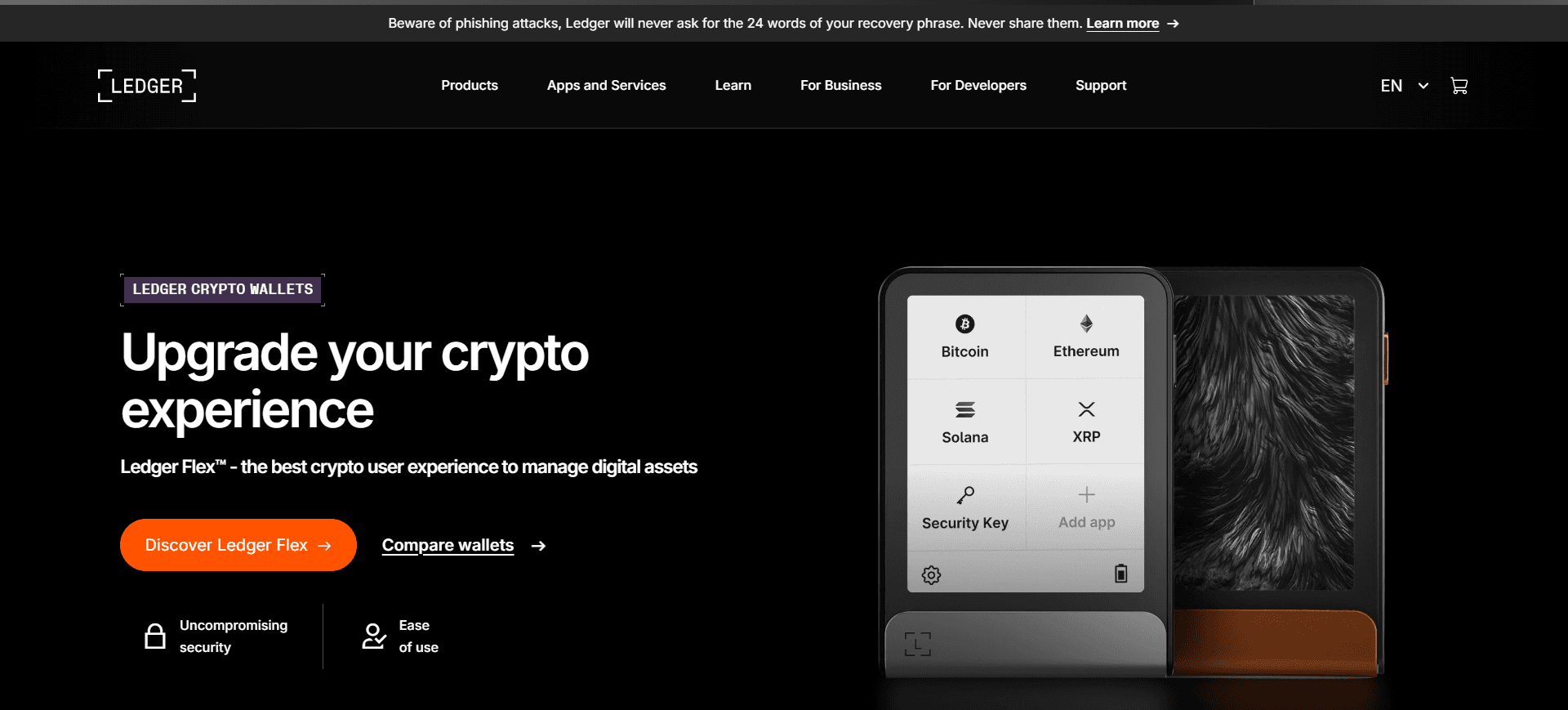
Ledger Live is the official cryptocurrency management application created by Ledger to give users a secure, simple, and unified interface for interacting with their hardware wallets. Whether you use a Ledger Nano S Plus, Ledger Nano X, or another Ledger device, Ledger Live is the essential companion software that allows you to send, receive, manage, track, and organize digital assets securely. This in-depth 2000-word guide explains everything about Ledger Live in plain text, including what it is, how it works, why it matters, how to install it, key features, safety practices, and important concepts behind its design. The goal of this article is to help users understand Ledger Live clearly and comprehensively, without technical confusion, and without replacing any official instructions.
Introduction to Ledger Live
Ledger Live was designed as an all-in-one platform where users can manage cryptocurrency portfolios while keeping private keys protected inside their Ledger hardware wallets. Unlike online wallets, exchange apps, or browser extensions, Ledger Live works in combination with a physical security device. This means that even though you perform blockchain transactions through the software, the crucial signing actions are confirmed physically on the hardware wallet. This approach significantly reduces the risk of remote attacks, key theft, and unauthorized access.
Ledger Live serves multiple purposes. It allows users to install crypto apps on their devices, manage accounts, track balances, send and receive assets, check portfolio value, access staking options, explore Web3 features, and perform other crypto operations using Ledger’s verified service integrations. Despite offering many functions, the private keys always remain offline inside the secure element chip of the Ledger device, which is a core part of Ledger’s security model.
Why Ledger Live Exists
The purpose of Ledger Live is to simplify the crypto experience. Before Ledger Live existed, many users had to rely on different third-party wallet interfaces for each blockchain. This made portfolio management fragmented, confusing, and sometimes security-risky, especially for beginners. Ledger Live centralizes everything in one trusted environment. Instead of searching for compatible wallets, users can plug in their Ledger device, open Ledger Live, and easily manage their assets across supported networks.
Ledger wanted to create an application that does more than perform basic tasks. Ledger Live provides an intuitive portfolio overview, real-time balance tracking, and support for a wide range of crypto operations involving Bitcoin, Ethereum, and many other blockchain networks. Because the application communicates directly with official Ledger infrastructure, it also helps users safely update firmware, verify device authenticity, and follow official security practices.
Installing Ledger Live Safely
One of the main instructions Ledger provides is to always download Ledger Live from the official source, which users access through the company’s verified channels. Installing Ledger Live from unofficial websites could expose users to malicious software or phishing. The installation process itself varies depending on the operating system, but the general experience is simple. After downloading and launching the application, users connect their Ledger hardware wallet and begin managing their assets through the secure interface.
During installation, Ledger Live does not require users to enter sensitive information such as a recovery phrase. The application is designed to interact with the hardware wallet securely, meaning that no seed phrase or private key should ever be entered into Ledger Live. This separation ensures that even if the computer is compromised by malware, the private keys remain safe.
Understanding the Dashboard
Once installed, Ledger Live presents a clean and organized dashboard where users can see their total crypto portfolio value, track asset performance, and view recent activity. The dashboard updates automatically whenever the application syncs with blockchain networks. It provides a simple overview of holdings, giving users a clear picture of their financial status across multiple cryptocurrencies.
The dashboard also includes links to various sections such as accounts, send and receive buttons, staking features, service integrations, and device settings. Whether you are a beginner or experienced crypto user, the structure of Ledger Live makes navigation straightforward.
Adding Accounts in Ledger Live
To manage a cryptocurrency, users need to add an account for that asset. Ledger Live supports accounts for many blockchains, and the process begins by installing the relevant app on the Ledger hardware wallet using Ledger Live’s device manager. For example, to manage Bitcoin, the Bitcoin app must be installed on the device. Once an app is installed, users add an account in Ledger Live by following the on-screen instructions and confirming the process on the device.
Adding accounts does not reveal private keys. Ledger Live only interacts with the public addresses generated by the hardware wallet. Once an account is added, users can view transaction history, check balances, and perform operations like sending and receiving cryptocurrencies.
Sending and Receiving Crypto Through Ledger Live
One of the primary functions of Ledger Live is allowing users to send and receive cryptocurrency securely. When sending crypto, Ledger Live prompts users to enter the receiving address, amount, and network fees. The crucial part of the process is that users must confirm the transaction on the physical Ledger device. This ensures that transactions cannot be executed remotely by malware. The device displays the address and transaction details, and the user manually approves or rejects the action.
Receiving crypto is equally simple. Ledger Live generates a receiving address, which users can share with senders. To ensure safety, Ledger recommends verifying the address on the hardware wallet display. This prevents attackers from replacing the address inside the application through malware.
Installing Apps on the Device
Ledger hardware wallets require blockchain-specific apps to manage different assets. Ledger Live includes a manager section where users install, update, or remove these apps. Because the device has limited storage space, users may install and uninstall apps as needed without affecting their funds. The assets remain accessible because accounts are tied to the recovery phrase, not to the apps themselves.
Ledger Live keeps users informed of available updates, compatibility changes, and device storage usage. The app manager ensures that users always have access to the latest security improvements and blockchain support.
Staking Cryptocurrencies Using Ledger Live
Ledger Live supports staking for several popular cryptocurrencies. Staking allows users to earn rewards by participating in network validation processes. With Ledger, staking is made more secure because the private keys remain protected inside the hardware wallet. Ledger Live helps users delegate their assets safely by connecting them to trusted validators or staking partners.
While the exact staking process varies by blockchain, the general steps involve selecting a staking option, confirming the action on the device, and monitoring rewards through the Ledger Live interface. The entire process is designed to be intuitive and secure.
Exploring Buy, Swap, and Trade Services
Ledger Live integrates several third-party service providers that offer buy, sell, and swap options directly inside the application. These services allow users to purchase crypto using payment methods such as bank transfer or card, or to exchange one cryptocurrency for another. It is important to note that these operations are facilitated by external partners, not by Ledger itself. Ledger Live simply provides a secure environment that ensures transactions are verified through the hardware wallet.
These integrations give users a convenient way to manage their portfolios without shifting between multiple platforms. However, users are encouraged to review service terms, fees, and supported regions to understand the specifics of each provider.
Security Principles Behind Ledger Live
A major goal of Ledger Live is to reinforce good security habits. Users interact with an ecosystem that promotes the correct handling of sensitive information and prevents common mistakes. Some of the key security concepts include:
Private keys always remain inside the Ledger hardware wallet.
Ledger Live never requests or stores recovery phrases.
All important actions must be confirmed physically on the device.
Firmware updates require verified confirmation on the hardware wallet.
Addresses must be double-checked on the device screen.
Users should never type or share their seed phrase anywhere online.
Regular updates help protect against evolving security threats.
Ledger Live is built to guide users toward safe behavior. By forcing the most critical verifications to occur on the hardware wallet, it prevents many forms of digital theft.
Device Management Through Ledger Live
Ledger Live also serves as the main tool for managing the hardware wallet itself. Users can verify device authenticity, install firmware updates, change settings, and manage the security configuration. Firmware updates help improve device performance, patch vulnerabilities, and add new features. Ledger Live shows update availability and walks users through the process, requiring multiple confirmations to ensure safety.
Portfolio Tracking and Historical Performance
Ledger Live includes a comprehensive portfolio tracking system that shows total asset value, performance trends, and individual crypto holdings. Users can view charts, track gains and losses, and monitor long-term investment performance. This financial overview helps users better understand their asset distribution and make informed decisions.
Connecting Ledger Live to Web3
Ledger Live offers certain integrations that allow users to interact with Web3 platforms and decentralized applications using Ledger’s secure environment. While many advanced Web3 interactions still require external wallet connectors, Ledger Live helps bridge the gap by allowing safer participation in decentralized systems while protecting private keys.
Common Mistakes Ledger Live Helps Prevent
Ledger Live is designed to reduce user errors. Some of the key mistakes it helps users avoid include:
Sending crypto to incorrect or malicious addresses.
Installing unauthorized software or using unsafe wallets.
Approving transactions accidentally.
Confusing seed phrases with PIN codes.
Storing recovery phrases in unsafe locations.
Skipping important device authenticity checks.
Missing firmware or security updates.
By guiding users through clear on-screen instructions, Ledger Live minimizes the risks associated with self-custody.
How Ledger Live Enhances User Confidence
For many individuals entering cryptocurrency for the first time, the complexity of blockchain technology can be intimidating. Ledger Live provides a simplified interface that reduces confusion and makes device usage approachable. The structured workflows, confirmations, portfolio tools, and security reminders help users navigate crypto safely. This sense of control builds confidence and encourages responsible long-term asset management.
Conclusion
Ledger Live is more than a simple wallet interface; it is an essential part of the Ledger security ecosystem. It bridges the physical hardware wallet with the digital world of blockchain networks, enabling users to manage cryptocurrency securely and efficiently. With features like portfolio tracking, account management, staking, app installation, and service integrations, Ledger Live provides a complete toolbox for safe digital asset control.
This 2000-word plain-text guide has explained what Ledger Live is, how it works, what it does, how users interact with it, and why it plays such a critical role in self-custody. While it is not a replacement for official instructions, it offers a broad, educational understanding of Ledger Live and its importance in keeping crypto safe.